
Framing a Habitat house used to cost about $20,000. Now it costs about $55,000, according to Susan Cook, executive director of River City Habitat for Humanity.
That is one piece of the construction bill. It helps explain why Jefferson City affordable housing is easier to call for than to build.
Cook described the increase in an Oct. 6 interview on Wake Up Jeff City. For Habitat, she said, materials are the biggest pressure. Skilled-worker shortages and labor costs make the broader construction market difficult, too.
“The math just isn’t mathing,” she said.
The need is much bigger than Habitat’s capacity. More than 250 people expressed interest when the organization opened applications last year, Cook said. It can build about three houses a year.
Three homes matter to the families who buy them. But the Jefferson City affordable housing shortage is too big to leave to one nonprofit.
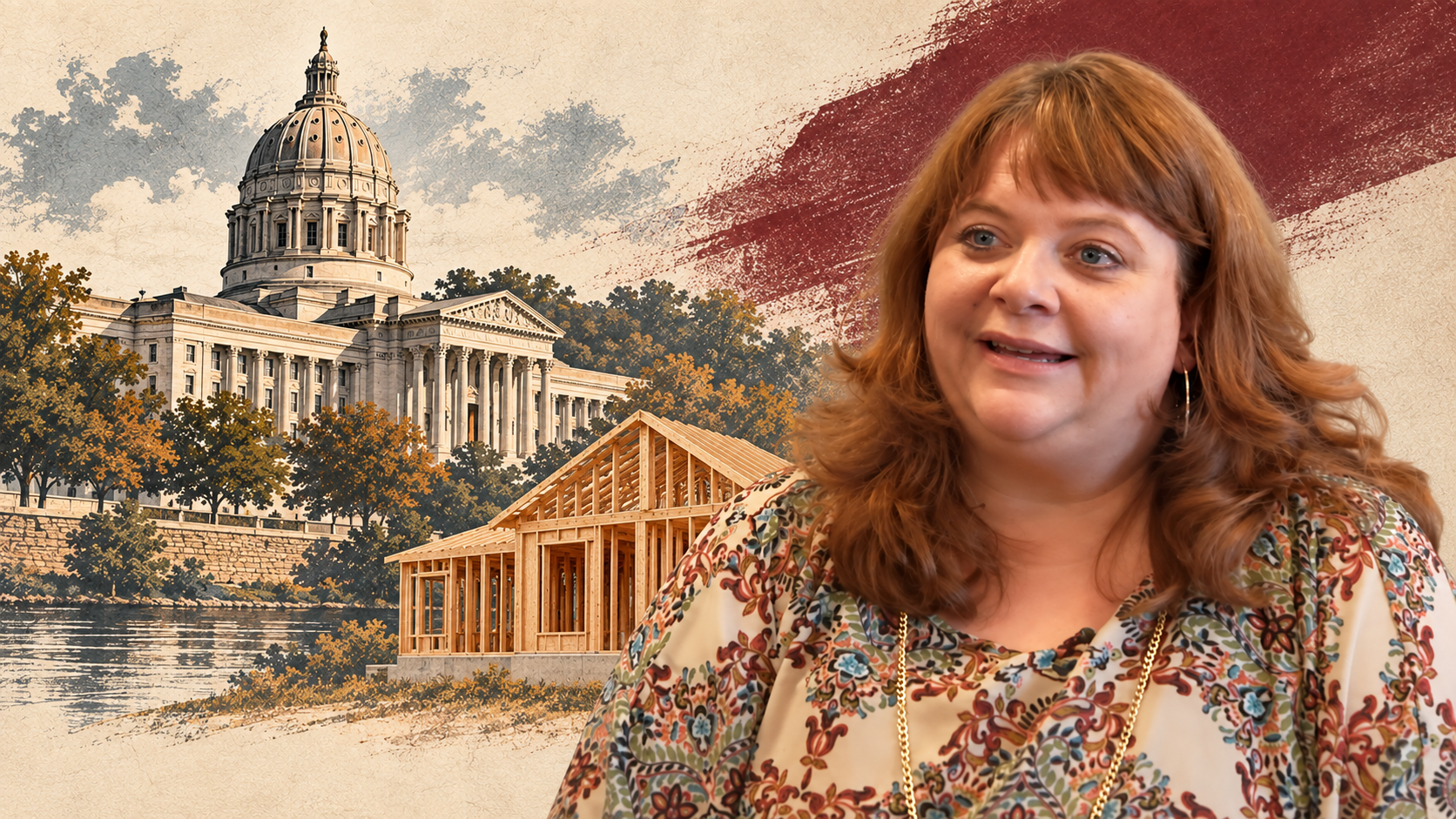
Why Jefferson City affordable housing is harder to build
Cook marks 10 years as Habitat’s director this month. When she started in 2016, she said, the organization could build and sell a four-bedroom, roughly 1,400-square-foot house for about $80,000. A comparable house today can appraise for around $200,000.
A sale price and an appraisal are different measures. That comparison is not a construction-cost index. Her framing estimate is a more direct example of the pressure Habitat faces.
Habitat’s website separately reports that overall construction costs have risen by well over 35% and that higher costs have delayed homes for approved families. It lists a basic framing package rising from $10,000 to $15,000 over three years. The website does not explain how that package compares with Cook’s $20,000-to-$55,000 figure, so the two should not be treated as the same measure.
The city’s housing strategy materials show the wider squeeze. Using Zillow data, the May 28 draft reports a typical home value of $272,649 in March 2026, up 73% from $157,800 at the end of 2019. Observed rents rose about 27% over three years.
The strategy counts 110 housing units permitted in 2025, or 0.63% growth in the housing stock. Those are permitted units, not completed homes.
What City Hall can change
Cook said the city has a role when development rules prevent housing from being built where it otherwise could make sense. She pointed to downtown restrictions as one place to look.
She also resisted putting the whole problem on City Hall. Land, materials, labor and a shortage of homes at different prices all contribute.
The strategy recommends more room for multifamily housing downtown and along commercial corridors, duplexes and accessory dwelling units. It also identifies limited infrastructure, funding and development capacity as barriers.
Its central financial warning: local prices and rents generally do not cover conventional new construction without public assistance or cheaper building methods. These are recommendations, not evidence that every zoning change or project is approved or funded.
That leaves a practical question for any proposed project: who covers the gap between what it costs to build and what the buyer or renter can pay?
Cook said more market-rate construction can help Jefferson City affordable housing by easing pressure as people move and older homes become available. But that process takes time, she said, and does not replace deliberate investment in affordable and workforce housing.
How Habitat makes the payment work
Habitat closes part of that gap with volunteer labor, donated materials, community contributions and its ReStore. Cook said homeowners’ mortgage payments go back into a fund that helps build more homes.
The homes are sold, not given away. Selected families must meet income guidelines, complete at least 350 hours of sweat equity and attend monthly classes on budgeting, maintenance and other parts of homeownership, she said.
Cook described a four-bedroom home financed over 30 years at 0% interest with a payment of about $750 a month, including taxes and insurance. That is her example, not a guaranteed payment for every applicant.
Even with those advantages, Cook said Habitat cannot build its way out of the shortage. She cited a line from Habitat International’s CEO: “We’re never going to be able to outbuild the housing crisis.”
Who gets up tomorrow and makes it happen?
Cook said the Capital City Housing Task Force and city partners are working on implementation. The immediate need is someone responsible for bringing the participants together and keeping the work moving.
“We really want to hire somebody,” she said. “And I don’t know how that’s going to look, to be honest with you.”
She hopes a person or organization is identified within a year. That is a goal, not an announced hire or a funded deadline. Cook said the task force plans to meet again this month to keep the momentum going.
The strategy calls for paid coordination and public progress reports. Cook’s interview did not settle who would employ that person or how the position would be paid for.
Making Jefferson City affordable housing easier to build will take an owner, a funding plan and dates people can check. Then residents can judge the work by projects moving forward and homes getting built.
I’ll be watching what actually becomes easier to build. Jefferson City has spent plenty of time identifying the problem. The useful measure now is what changes for somebody trying to find a home.
Leave a Reply