
By Lee Fox | Guest Author
Why are beef prices rising? Guest author Lee Fox examines shrinking cattle herds, meatpacking bottlenecks, and the case for rebuilding American ranching.
Table of Contents
Where’s the Beef?
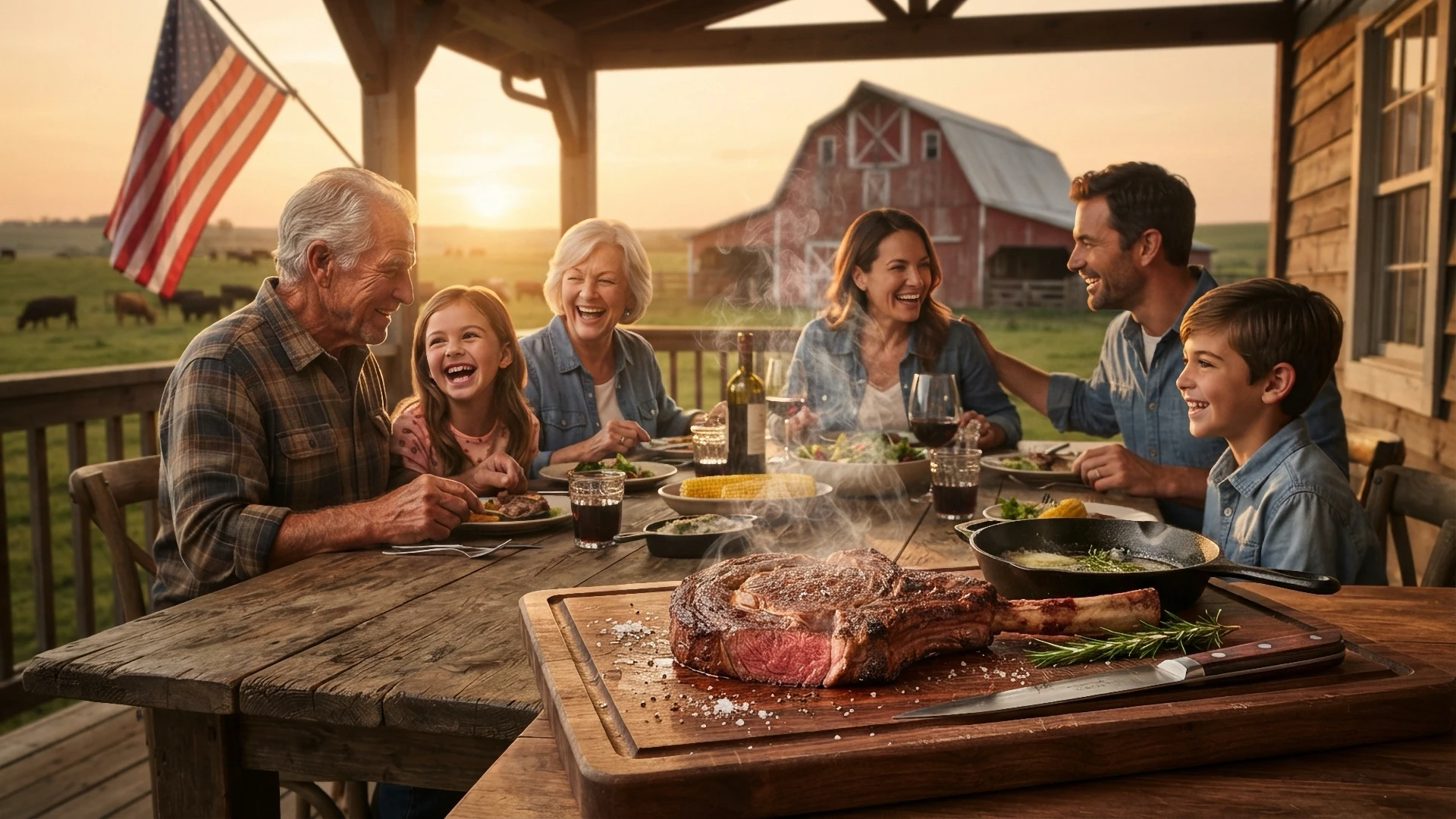
There’s nothing more quintessentially American than Cattle Ranching and Beef.
Not only does it taste good, science tells us nose-to-tail beef is complete human nutrition.
But, there’s a problem…
Beef prices at retail have been steadily climbing and making it unaffordable for many Americans.
Why Is This Happening?
Recent drought has been a significant issue. Many ranchers are culling their herds because their pastures can’t sustain larger herds in those conditions. The U.S. Cattle herd is the smallest it’s been since 1951. At the start of 2026, the USDA reported only 86.2 million cattle and calves. That’s also driven stock selloffs since there’s currently more money in selling beef for slaughter rather than expanding herds. That’s exacerbated the population contraction with no serious signs of rebuilding.
It costs more to raise cattle. Higher interest rates, fuel, fertilizer, and feed costs have all risen and pushed ranchers to shrink herds rather than expand them.
Rebuilding takes years. Raising a calf to slaughter usually takes 14-20 months and rebuilding a breeding herd takes even longer. Ranching is a long term game.
Despite all that, demand for beef has risen. Nutrition education is improving and consumers are working to make healthy choices for themselves and their families.
There have also been large structural obstacles to delivering beef to consumers. Meatpacker consolidation created a bottleneck for beef distribution across the country. Large beef buyers like McDonald’s have resorted to suing meat packers for colluding to drive prices higher.
Ranchers, like farmers, are getting older. Ranching is not a glamorous occupation for young people. It’s tremendously hard work, both physically and mentally. Their aging out results in fewer ranchers and ranches to supply beef to America.
Import taxes on beef have also helped keep prices high, but keep in mind, American beef production is kept to very high standards. Do consumers really want to import beef from places like Mexico where they recently had a screwworm outbreak?
How Do We Fix the Problem of Rising Beef Prices?
The best long term solution is getting ranchers to rebuild their herds.
A major issue is lack of competition at the meat packing level caused by government regulations limiting the options ranchers have for bringing their beef to market. If ranchers can be freed to do their own processing, much more beef can be delivered to your favorite grocer without the delays and cost increases caused by the near monopoly of meat packer consolidation.
While taxes are too high across the board, we can also look at tax incentives for ranchers just as we do for home ownership and child bearing. All three are a societal good. We should be minimizing any negatives on them from taxation.
We must also restore grazing land that’s been stripped from cattle ranchers in the name of government control. Regenerative ranching is among the least environmentally impactful systems for providing human nutrition. The cows are part of the environment and help sustain the entire ecosystem with more than enough abundance to feed consumers.
We should also restore country of origin labeling on meat. American pride goes a long way in supporting merit based American ranching. That might drive up demand and prices in the short term, but will encourage ranchers to rebuild their herds and stabilize or reduce prices over the long term.
We can also work to improve nutrition education and fight nutrition disinformation that’s been created, supported, and promulgated by large influence groups like the Seventh-Day Adventist Church, the sugar industry, and others.
Mavericks like RFK Jr. have been receiving tremendous hate from the Left for daring to disrupt their nutrition narratives in favor of ditching junk food and replacing it with food that builds healthy bodies and minds.
So, Where’s the Beef?
Our herds didn’t shrink overnight and they won’t be rebuilt overnight. Americans often do best when playing the long game.
Let’s get out of the way of our ranchers. Get rid of the roadblocks and disincentives. Let our ranchers be free to compete in the open market without middlemen and bureaucrats controlling what the market for their beef looks like.
American families deserve no less than that.
References
- The Cattle Site: US cattle herd hits lowest level since 1951
- Fox 29: The surprising reason why Americans could face high beef prices for years
- Fortune/Bloomberg: America’s vanishing cattle herd drives 15% price hikes for beef
- Straight Arrow News: Here’s why beef prices are at record high
- Ohio Ag Connection: Strong Demand and Low Inventories Drive Beef Prices Higher
- Meatborsa: US Beef Prices Break New Records as the Cattle Herd Shrinks
- Yahoo/Food & Wine: Ground Beef Just Hit $6.10 a Pound
- Fortune: Ground beef is up 20% since last year
- CNBC: How screwworm in Texas cattle herds could re-inflate record beef prices this summer
- White House: Further Ensuring Affordable Beef for the American Consumer
- CNBC: Trump to allow import of 300,000 metric tons of ground beef without tariff
- Barchart: Cattle fall from highs as traders reject Thursday rally
- The Philadelphia Inquirer: Economists don’t expect reopening the U.S. to Mexican cattle imports to reduce high beef prices
- Farm Action: Lowering Beef Prices While Rebuilding America’s Cattle Sector
- Coalition for a Prosperous America: Why Beef Prices Are Still So High
- Meatingplace: Rebuilding Cattle Herd Critical to Lowering Beef Prices: Study
- American Farm Bureau Federation: Imports Will Discourage America’s Beef Recovery
- RFD-TV: Lowering Beef Prices Without Harming the Cattle Industry
- American Thinker: The Beef Argument That Forgot the Consumer
- USDA Economic Research Service: Concentration in U.S. Meatpacking Industry
- NPR: 50 Years Ago, Sugar Industry Quietly Paid Scientists To Point Blame At Fat
Read more politics and public policy commentary from 4Liberty Network.
Leave a Reply